Top 5 Signs Your Home Needs Waterproofing or Repairing Services
- Home
- /
- Top 5 Signs Your Home Needs Waterproofing or Repairing Services
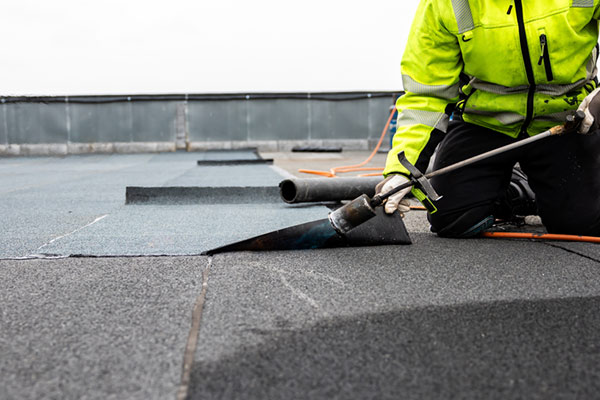
Your home is more than just a physical structure; it is your safe haven, your most significant financial investment, and the backdrop for your family’s life. But much like a living, breathing entity, a house requires proactive care and attention to thrive over the decades. In Ahmedabad, the local climate acts as a relentless, year-round stress test on buildings. From the blistering, dry heat of peak summers that causes concrete and brickwork to aggressively expand, to the torrential, unforgiving monsoon downpours that immediately follow, your property is constantly battling the elements.
Unfortunately, many homeowners adopt a reactive approach to home maintenance. They wait for a catastrophic ceiling leak, a flooded basement, or a shattered floor tile before calling in the professionals. The danger in this approach is that water is a silent and patient destroyer. By the time a major leak is visible, the internal framework of your home—the reinforced concrete steel (rebar), the sub-flooring, and the deep plaster—has likely already suffered significant, costly degradation.
Protecting your property requires a proactive mindset. Your home is brilliant at communicating with you; you just need to know how to listen. Learning to decode the early warning signs of moisture intrusion and structural wear can save you from exorbitant repair bills, protect your property’s resale value, and shield your family from health hazards like toxic mold. Long before a roof caves in or a wall crumbles, your house will display subtle symptoms of distress. Here is a comprehensive guide to the top 5 warning signs that your home is crying out for professional waterproofing and repairing services.
Unexplained Water Stains and Discoloration
One of the earliest and most common indicators of a hidden moisture problem is the appearance of water stains. These typically manifest as yellowish, light brown, or copper-colored rings on your ceiling, interior walls, or around window frames.
What it means: A water stain is undeniable proof that water has breached your home’s exterior defense and is traveling through the building materials. If the stain is on the top-floor ceiling, your terrace waterproofing or RCC roof has likely failed. If it appears on a shared wall, it could be a hidden plumbing leak or failed tile grouting from the adjacent bathroom.
Why it is dangerous: Water travels through concrete via “capillary action,” meaning it spreads far beyond the original leak point. Ignoring these stains leads to weakened plaster, rotting internal frameworks, and eventual structural collapse. Professional waterproofing targets and seals the exact source of the seepage, stopping the spread instantly.
Peeling, Bubbling Paint, and Efflorescence
Have you recently invested in premium interior paint, only to watch it blister, bubble, or peel off in large flakes just a few months later? Or perhaps you have noticed a white, chalky powder forming on your walls? Don’t blame the painter—blame trapped moisture.
What it means: When water infiltrates your walls from the outside, the moisture becomes trapped behind your interior paint layer. As the moisture attempts to evaporate into the room, it pushes outward, physically forcing the paint to bubble and peel. The white powdery substance, called efflorescence, is the mineral salt left behind as water evaporates out of damp brick or concrete.
Why it is dangerous: Scraping and repainting over damp walls is a complete waste of money. Until you apply proper external or internal wall waterproofing to block the moisture entry points, the peeling will continuously return, ruining your home’s aesthetics and slowly degrading the wall’s integrity.
Persistent Musty Odors and Mold Growth
You walk into a room, basement, or bathroom and are hit with a damp, heavy, earthy smell that refuses to go away, no matter how much you open the windows. Shortly after, you might spot black, dark green, or grey fuzzy patches growing in the corners, along baseboards, or behind heavy furniture.
What it means: Mold and mildew thrive exclusively in damp, poorly ventilated environments. If you have a persistent musty smell or visible mold, you have an active moisture problem. It is often caused by micro-leaks, groundwater seepage in basements, or deteriorating waterproof seals in wet zones like kitchens and bathrooms.
Why it is dangerous: Beyond destroying expensive woodwork and ruining your home’s appearance, mold is a severe health hazard. Airborne mold spores can trigger asthma attacks, chronic allergies, and severe respiratory issues, especially in children and the elderly. Professional repairing and waterproofing cut off the moisture supply, making it impossible for mold to survive.
Widening Cracks in Walls, Floors, or Grout
All buildings settle over time, occasionally causing harmless, hairline cracks. However, if you notice widening, jagged cracks in your exterior walls, splitting floor tiles, or crumbling grout lines in your bathroom, you need to act fast.
What it means: The extreme temperature shifts in Gujarat cause building materials to expand and contract daily. Without proper flexible waterproofing membranes or expertly installed expansion joints, the rigid concrete and flooring materials eventually crack under the thermal stress. In wet areas, cracked grout means water is freely flowing underneath your tiles into the subfloor.
Why it is dangerous: Cracks act as open highways for rainwater. During the monsoon, water will exploit these fissures, reaching the internal steel reinforcement of your walls and roof. This causes the steel to rust, expand, and shatter the concrete from the inside out (a process called spalling). Expert structural repair and epoxy grouting seal these vulnerabilities tight.
Water Pooling and Poor Surface Drainage
Head up to your terrace, balcony, or patio a few hours after a heavy rain shower. Is there standing water pooling in the center or lingering in the corners?
What it means: Your surface either lacks the proper gradient (slope) to guide water to the drains, or the surface has sunk and created a depression over time.
Why it is dangerous: Standing water is the absolute worst enemy of a concrete terrace. Over time, the heavy hydrostatic pressure of the pooled water forces moisture deep into the microscopic pores of the concrete. This is the primary cause of ceiling leakages and “sweating” ceilings in the rooms directly below. A professional waterproofing service will level the surface, ensure the correct slope, and apply a heavy-duty, watertight membrane to completely repel pooling water.
Conclusion: Secure Your Home Before the Next Monsoon
Water damage is relentless and progressive; it never fixes itself, and it only becomes more expensive to repair as time goes on. If you recognize even one of these five warning signs in your home, it is a clear signal that your property’s defenses are compromised.
Early intervention is the key to saving your property’s structural integrity and protecting your investment. Don’t wait for a small damp patch to turn into a major structural crisis. Secure your home today with expert waterproofing, grouting, and repairing services from the trusted professionals at Dhyey Water Proofers.

Established as a Proprietorship Firm in the year 2025, we “Dhyey Water Proofers” are a leading Service Provider of a wide Range of Waterproofing Service, Flooring Service..
Services
Get In Touch
- Purin10parikh@gmail.com
- +91 90670 78751
- Uttamnagar, Maninagar, Ahmedabad-380008
Request A Quote
© 2026: Dhyey Water Proofers.
- Powered By :
- Kaival Infotech