
Why Does Water Leakage Return After Waterproofing
- Home
- /
- Why Does Water Leakage Return After Waterproofing
Common Reasons Your Home Still Leaks After Waterproofing
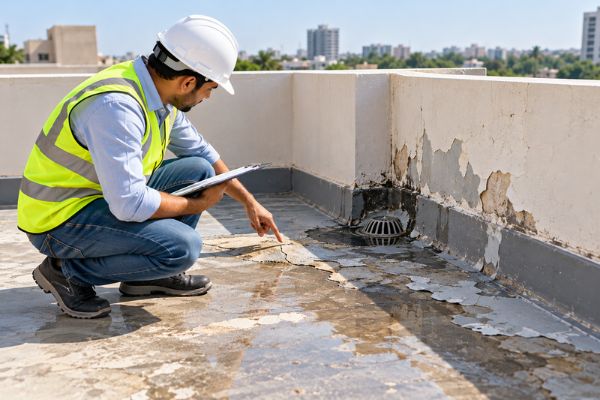
Water leakage can return after waterproofing when the original water entry point remains untreated, the surface was poorly prepared or cracks and joints were missed. Plumbing leaks, blocked drains and damage caused by later renovation work can also lead to fresh damp patches.
Seeing the same stain after paying for waterproofing is frustrating. However, applying another coat without checking the cause may repeat the problem. The next step should be an inspection that explains where the water enters and why the earlier treatment did not stop it.
For homeowners in Ahmedabad, noting when leakage appears can help. Leakage during rain, after bathroom use or throughout dry weather may point to different sources. This guide explains what to check before approving another repair.
Was the Actual Leakage Source Found
Water does not always enter directly above a damp patch. It can travel through joints, cracks and building layers before appearing on a ceiling or wall.
For example, a bedroom ceiling stain may come from a terrace drain connection nearby. Coating only the roof area above the stain could leave the actual entry point untreated.
Before arranging another repair, record:
- When the damp patch appears
- Whether it grows after rain
- Whether bathroom use affects it
- Whether nearby pipes or tanks are leaking
- Which areas received the earlier treatment
Share these details and photographs with the contractor. They can help guide the inspection, though they do not confirm the cause by themselves.
Poor Surface Preparation Can Affect Waterproofing
A waterproofing coating needs a suitable surface to bond properly. Dust, loose plaster, weak concrete and peeling old coatings can prevent a strong bond.
If the new treatment is applied over an unstable layer, that layer may loosen later. Water can then enter beneath the coating.
Signs that need inspection include:
- Peeling or flaking coating
- Blisters on the treated surface
- Loose material around repaired areas
- Gaps along coating edges
- Cracks visible through the finish
Ask how the contractor will remove unsuitable material and prepare the surface before repeating the work. Another layer over a weak base may not solve the problem.
Cracks and Joints May Have Been Missed
Waterproofing needs careful treatment at corners, joints and openings. These areas can be harder to protect than a flat roof surface.
Common points to inspect include:
- Terrace-to-parapet wall joints
- Drain outlets
- Pipe openings
- Bathroom floor-to-wall corners
- Balcony door thresholds
- Construction and movement joints
A coating may bridge small cracks only within the product’s stated limits. Wider or moving cracks may need a separate repair method.
If a crack has reopened after treatment, ask why it reopened. Repeating the same patch without checking movement or the repair method may lead to another failure.
Blocked Drains and Poor Slope Can Keep Water on the Roof
Water collecting on a terrace can expose weak points for longer periods. A blocked outlet or an uneven surface may leave puddles after rain.
A waterproofing coating does not correct the slope of a roof. Also, some systems have limits on exposure to standing water.
Check the terrace after rainfall when it is safe to do so. Note where water collects and whether outlets drain freely.
Ask the contractor to explain:
- 1. Whether the selected system suits standing water
- 2. Whether drain connections need repair
- 3. Whether slope correction is necessary
- 4. How the repaired area will drain after completion
Drainage and waterproofing should be assessed together.
The Treatment May Not Suit the Area
Different areas need different waterproofing systems. An exposed roof faces sunlight and weather. A bathroom treatment must work with the layers below its floor finish.
Using a product outside its approved application can affect performance.
| Area | What the Treatment Should Consider |
|---|---|
| Exposed Terrace | Sunlight, weather, drainage and foot traffic |
| Bathroom | Pipe openings, corners and the waterproofing below tiles |
| Exterior Wall | Cracks, window joints and rain entry |
| Basement | Water entry direction, pressure and concrete condition |
| Water Tank | Tank material and product suitability for its contents |
Ask for the product name and application details. A general claim such as “strong waterproofing chemical” does not explain whether the system suits your property.
Application and Curing May Have Been Rushed
Waterproofing performance also depends on how the product is applied. Required coverage, layer thickness, drying time and curing conditions vary by system.
Problems can occur if the surface is too wet for the selected product, rain reaches the coating too soon or the area is used before curing is complete.
Before starting replacement work, request a schedule covering:
- Cleaning and surface preparation
- Crack and joint repairs
- Primer, where required
- Waterproofing application
- Drying and curing
- Testing and return to normal use
The schedule should follow the product instructions. A faster finish is useful only when the required conditions are still met.
Later Work Can Damage Waterproofing
Leakage may return after drilling, installing pipes, fitting solar equipment or moving heavy items across a treated roof.
A small opening can create a new route for water. Repairs around that opening need to be compatible with the existing waterproofing system.
Check whether any work happened after the original treatment. Tell the inspecting contractor about new fixtures, tile replacement or plumbing changes.
Keep photographs of the completed waterproofing and records of later work. These details can help locate damage and clarify the repair scope.
Could the Damp Patch Have Another Cause
A damp patch does not always mean the waterproofing has failed. Plumbing leaks, condensation and moisture remaining in building materials can create similar signs.
| What You Notice | What Needs Checking |
|---|---|
| Dampness Mainly After Rain | Roof, wall joints, windows and drainage |
| Leakage After Bathroom Use | Plumbing and wet-area waterproofing |
| Wet Patches During Dry Weather | Pipes, tanks or another ongoing water source |
| Moisture on Cold Indoor Surfaces | Condensation and ventilation |
| An Old Stain After Repair | Whether the area is drying or receiving fresh moisture |
Fresh painting should wait until the source is addressed and the surface is ready. Paint can cover a stain, but it will not stop active leakage.
What Should You Do When Leakage Returns
Start by collecting evidence and contacting the contractor who completed the work. Provide photographs, the work date and details of when leakage occurs.
Review the quotation and warranty. Confirm which areas were treated and what the warranty covers.
Before approving more work, request:
- 1. An explanation of the likely leakage source
- 2. A written repair scope
- 3. Details of preparation and materials
- 4. A completion and curing schedule
- 5. A suitable testing method
- 6. Written warranty terms
If the proposed solution is simply another coat, ask how it addresses the cause identified during inspection.
Conclusion
Returning leakage needs a fresh assessment of the source, surface condition, drainage and earlier treatment. Finding the reason for failure helps you choose a repair that addresses the problem.
For homes and buildings in Ahmedabad, Dhyey Waterproofers can be contacted to discuss leakage inspection and suitable waterproofing work. Explain when the leakage occurs and share details of previous repairs before requesting a quotation.
Frequently Asked Questions
Why is my roof leaking again after waterproofing?
Possible causes include missed joints, reopened cracks, poor surface preparation, drainage problems or later damage. An inspection should identify the water entry point before another coating is applied.
Should I apply another waterproofing coat over the old one?
Only if the existing layer is sound and compatible with the proposed system. Loose or unsuitable layers may need removal. Ask the contractor to check the old treatment first.
Does peeling paint mean waterproofing has failed?
Peeling paint can result from active moisture, an unsuitable paint base or other surface problems. Check the moisture source rather than assuming the roof coating is responsible.
Can blocked terrace drains cause leakage after waterproofing?
Blocked drains can keep water on the terrace and expose weak areas. The outlets, roof slope and waterproofing system’s suitability for standing water should be checked.
Will a waterproofing warranty cover returning leakage?
Coverage depends on the written terms. The warranty may exclude plumbing leaks, structural movement, drilling or damage by other workers. Review the covered area and claim process.
How can I check whether the repair has worked?
Ask for a testing method suited to the treated area and system after the required curing period. Also monitor the original problem under the conditions that previously caused leakage.
How much does repairing failed waterproofing cost in Ahmedabad?
The cost depends on the leakage source, area size, removal work, repairs and selected system. Request a site-based quotation with each part of the work clearly listed.