
How to Choose Chemical Waterproofing for Your Home in Ahmedabad
- Home
- /
- How to Choose Chemical Waterproofing for Your Home in Ahmedabad
What Should You Check Before Choosing a Waterproofing Treatment
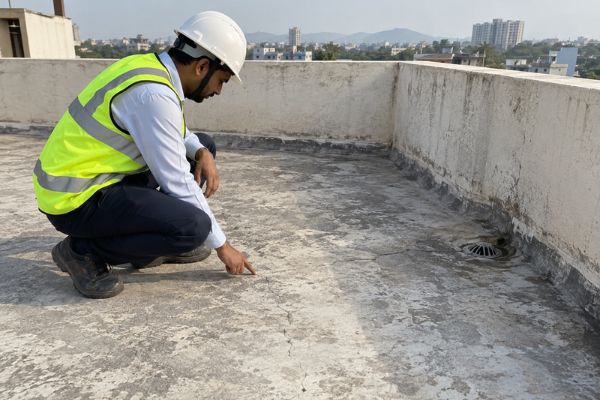
Choose chemical waterproofing after identifying the source of leakage, checking the surface condition and understanding how the area is used. The right treatment should suit your roof, bathroom or wall and include the repairs needed before application.
A damp ceiling does not always mean the roof needs a new coating. Water may enter through a damaged pipe joint, a terrace crack or a gap around a drain. Treating the wrong area can leave you with the same problem after the next rain.
For homeowners in Ahmedabad, a useful starting point is a site inspection. Ask the contractor to explain where the water enters, why the proposed treatment suits that surface and what preparation the work requires.
What Is Chemical Waterproofing
Chemical waterproofing uses materials such as coatings, cement-based compounds and resins to help prevent water from entering a building. Different products protect surfaces in different ways. Some form a protective layer, while others work within suitable concrete or seal specific leakage paths.
Chemical waterproofing may be used on:
- RCC terraces and roofs
- Bathroom floors and wet walls
- Balconies and utility areas
- Surface abrasion
- Water tanks, using products approved for the intended use
No single chemical is suitable for every location. A coating used on an exposed terrace may have different requirements from a treatment used below bathroom tiles.
What Is Chemical Waterproofing
The visible damp patch may be away from the actual entry point. Water can travel through cracks, joints and layers before appearing inside your home.
Observe when the problem occurs. Does the ceiling become wet only after rain? Does a wall remain damp throughout the year? Does leakage increase when an upstairs bathroom is used?
| What You Notice | What the Inspection Should Check |
|---|---|
| Ceiling Dampness After Rain | Terrace cracks, drains, joints and existing waterproofing |
| Damp Wall Near a Bathroom | Plumbing leaks, tile joints and the waterproofing below tiles |
| Water Near a Balcony Door | Floor slope, threshold and drainage |
| Peeling Paint on an Outside Wall | Wall cracks, pipe openings and rain entry |
| Leakage That Continues in Dry Weather | Water supply pipes, drainage pipes or another ongoing source |
These signs guide the inspection. They do not confirm the cause on their own.
Repair leaking pipes before applying waterproofing. A surface coating will not fix a damaged plumbing connection.
Choose Waterproofing That Matches the Surface
Select a waterproofing system based on its approved use, surface condition and exposure. Ask for the product name and technical information rather than accepting a general promise of “premium chemicals.”
Exposed Terraces and Roofs
An exposed terrace needs a system suitable for sunlight and weather. The contractor should also check water ponding, drain outlets and joints where the terrace meets the parapet wall. If people regularly walk on the terrace, ask whether the coating needs a protective finish. Foot traffic and movement of furniture can damage some exposed coatings.
Bathrooms and Utility Areas
Bathroom waterproofing should address floor corners, pipe openings and the floor-to-wall junction. During renovation, the condition of the waterproofing below the tiles needs attention. Fresh grout or tile sealer may help with certain surface problems, but it should not be assumed to repair a failed waterproofing layer below the tiles.
Exterior Walls
For exterior wall seepage, check cracks and gaps around windows, pipes and joints. Painting over a damp wall without fixing the water entry point often leads to more peeling.
Water Tanks
Water tank treatment must suit the tank material and its contents. For drinking water tanks, ask for documentation confirming that the product is suitable for potable water contact after the required curing.
Which Chemical Waterproofing Method Should You Choose
The method should follow the inspection findings. Use this comparison to understand the contractor’s proposal.
| Treatment | Where It May Be Suitable | What to Confirm |
|---|---|---|
| Acrylic Coating | Certain exposed roofs and walls | Approved exposure, crack limits and resistance to standing water |
| Polyurethane Coating | Suitable roof and terrace applications | Surface moisture limits, UV protection and protective layers |
| Cementitious Treatment | Suitable concrete and masonry wet areas | Flexibility, surface preparation and required protection |
| Crystalline Treatment | Suitable concrete structures | Concrete condition, water pressure and joint treatment |
| Injection Grouting | Specific leaking cracks and joints | Crack condition, resin selection and the leakage source |
These treatments are not direct substitutes. Injection grouting, for example, may address a leaking crack but may not replace waterproofing across an entire terrace.
Why Surface Preparation Matters
Chemical waterproofing needs a suitable surface to bond properly. Loose plaster, dust, weak concrete and old peeling coatings can affect the result.
Before application, the written work plan should explain how the contractor will:
- Remove loose material and unsuitable coatings
- Clean the surface
- Repair cracks and damaged areas
- Treat corners, joints and pipe openings
- Check surface moisture
- Apply a primer where the selected system requires one
Ask how terrace cracks will be treated. Applying a coating directly over an untreated crack may leave a weak point.
Also confirm how drainage problems will be handled. If water collects because of poor slope, a coating alone may not resolve the full issue.
When Should You Plan Waterproofing in Ahmedabad
Plan waterproofing when the selected product’s application and curing conditions can be met. Check the weather forecast and allow enough time for preparation, repairs and curing.
Before the monsoon, inspect terrace drains, parapet joints and areas where water collected during earlier rains. Booking an inspection early gives you more time to compare proposals and complete repairs.
For occupied homes, discuss access in advance. Bathroom work may limit use of the room, while terrace work may require moving stored items and protecting nearby surfaces.
Avoid choosing a contractor only because they promise the fastest completion. The schedule should follow the product instructions and the condition of your home.
How Much Does Chemical Waterproofing Cost in Ahmedabad
Chemical waterproofing cost depends on the treated area, repair needs, selected system and access to the site. Compare quotations with the same work scope.
A lower price may exclude crack repairs, removal of old coatings or a protective layer. These differences can make two quotations difficult to compare.
Ask each contractor to list:
- 1. Area to be treated
- 2. Surface preparation and repairs
- 3. Product brand and system
- 4. Application requirements, including coverage or thickness
- 5. Protective finish, if needed
- 6. Testing and handover process
- 7. Warranty terms and exclusions
Request a site-based quotation instead of relying only on a general per-square-foot rate.
How to Choose a Chemical Waterproofing Contractor
Choose a contractor who explains the cause of leakage and provides a clear treatment plan.
Ask to see examples of similar work. A bathroom repair and an exposed terrace project require different details, so relevant experience matters.
Before approving the work, ask:
- Why is this system suitable for my home?
- Which repairs are included?
- How will joints and drain outlets be treated?
- How long must the area remain unused?
- How will the finished work be checked?
- What does the written warranty cover?
Keep photographs of the surface before work, during preparation and after completion. Save the quotation, product details and warranty document together.
What Should You Check Before Final Payment
Review the completed work against the agreed scope. Ask the contractor to explain the curing period and when testing or normal use can begin.
For suitable areas, a controlled water test may help check the treatment after curing. The test method should suit the structure and waterproofing system.
Check that drains remain clear and that corners, pipe openings and joints have received the agreed treatment. Obtain written care instructions, including precautions for drilling, tile work or moving heavy objects over the treated surface.
Conclusion
The right chemical waterproofing starts with finding the leakage source. A suitable product, proper surface preparation, joint repairs and clear testing requirements all help you make a better buying decision.
For your home in Ahmedabad, request an inspection and compare written proposals before selecting a treatment. Visit Dhyey Waterproofers’ chemical waterproofing service page to discuss your property’s leakage problem and treatment requirements.
Frequently Asked Questions
Which chemical waterproofing is best for my home in Ahmedabad?
The best choice depends on the surface, leakage source, sunlight exposure, standing water and expected use. Ask for a recommendation after inspection, with the product name and reasons for selecting it.
Can chemical waterproofing be done without removing tiles?
Sometimes a limited repair is possible without removing tiles. However, loose tiles, damaged layers or failed waterproofing below the tiles may require removal. Confirm what the proposed treatment can address.
Will chemical waterproofing fix terrace cracks?
Some systems can bridge small cracks within their stated limits. Wider or moving cracks need suitable repair or joint treatment. Ask the contractor to assess cracks before coating the terrace.
How long does chemical waterproofing last?
Service life varies with the product, preparation, application, exposure and maintenance. Ask for the system’s expected performance and written warranty terms rather than assuming a fixed lifespan.
How long does chemical waterproofing take?
The schedule includes cleaning, repairs, application, drying and curing. Area size, surface condition and weather affect completion. Request a written schedule that follows the selected product’s requirements.
Can I stay at home during waterproofing work?
In many cases, you can stay at home while access to the treated area is restricted. Discuss bathroom use, ventilation, product precautions and curing time before the work starts.
What should a waterproofing warranty include?
A warranty should identify the treated area, covered defects, duration, claim process and exclusions. Clarify how plumbing leaks, later drilling, structural movement and damage by other workers are handled.